Engine diagnostic equipment

Engine Diagnostics

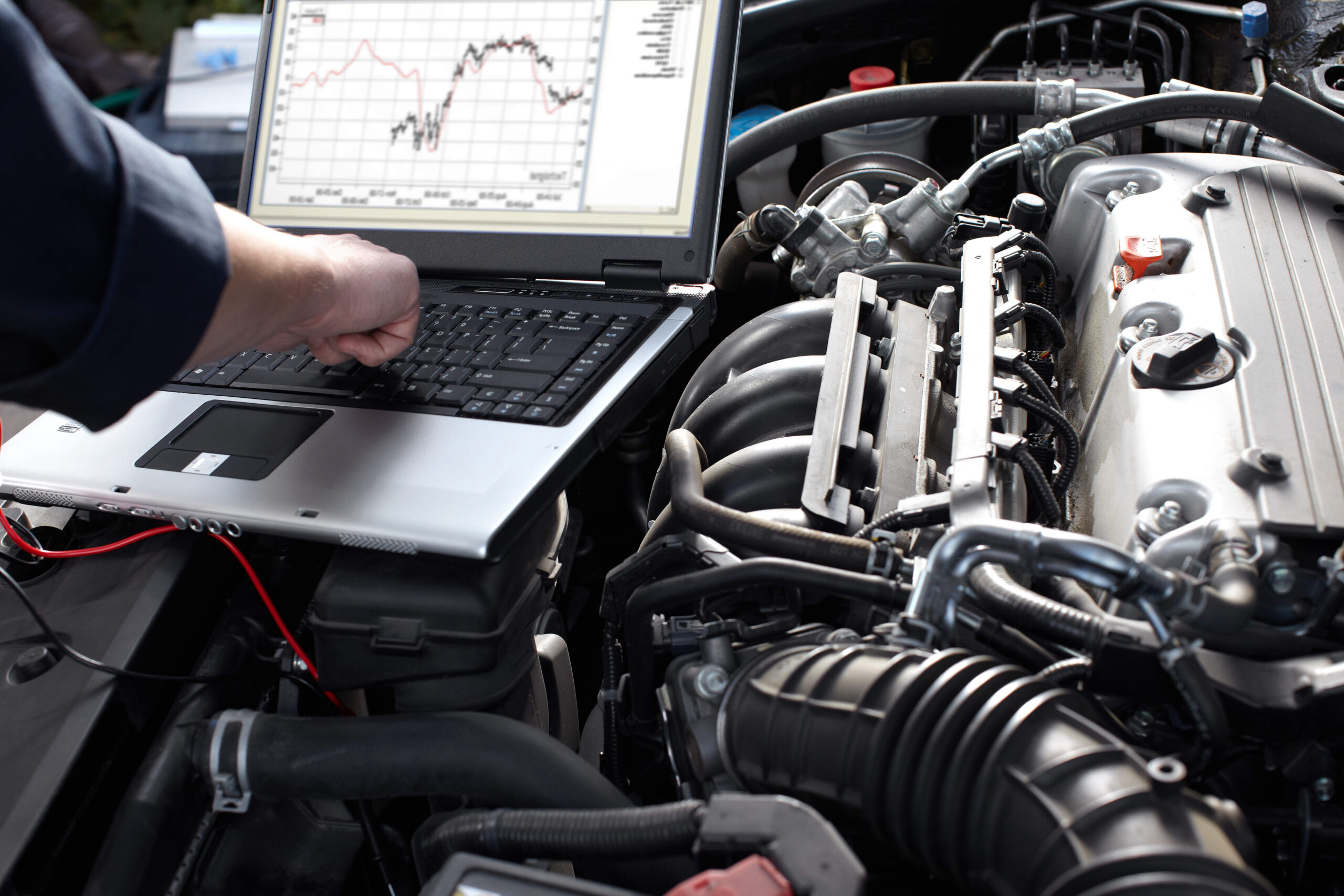
Modern vehicles continuously monitor dozens of engine and emissions parameters through an onboard diagnostic system (OBD-II). When something falls outside expected ranges, a fault code is stored and the check engine light illuminates to alert the driver.

Running a diagnostic scan retrieves those stored codes, which point toward a system or component — but the codes are a starting point, not a complete diagnosis. A proper diagnostic process involves reading the codes, reviewing freeze-frame data (conditions at the time of the fault), and often performing additional tests to confirm what's actually happening before recommending any repair.

What an engine diagnostic typically covers:
  • OBD-II scan to retrieve fault codes and freeze-frame data
  • Visual inspection of engine components (hoses, wiring, connections)
  • Testing of sensors flagged by codes (O2 sensors, MAF sensor, etc.)
  • Live data monitoring during engine operation
  • Assessment of ignition system components where relevant
Common symptoms that prompt a diagnostic:
Check engine light on
Rough idle or stalling
Reduced power or hesitation
Unusual engine sounds
Failed emissions test
Poor fuel economy
Book a Diagnostic Appointment
Brake system inspection

Brake System Service

The braking system is one of the most safety-critical systems on any vehicle. It operates under significant mechanical and thermal stress, and components wear predictably over time. Understanding what a brake inspection covers helps you ask the right questions and make informed decisions.

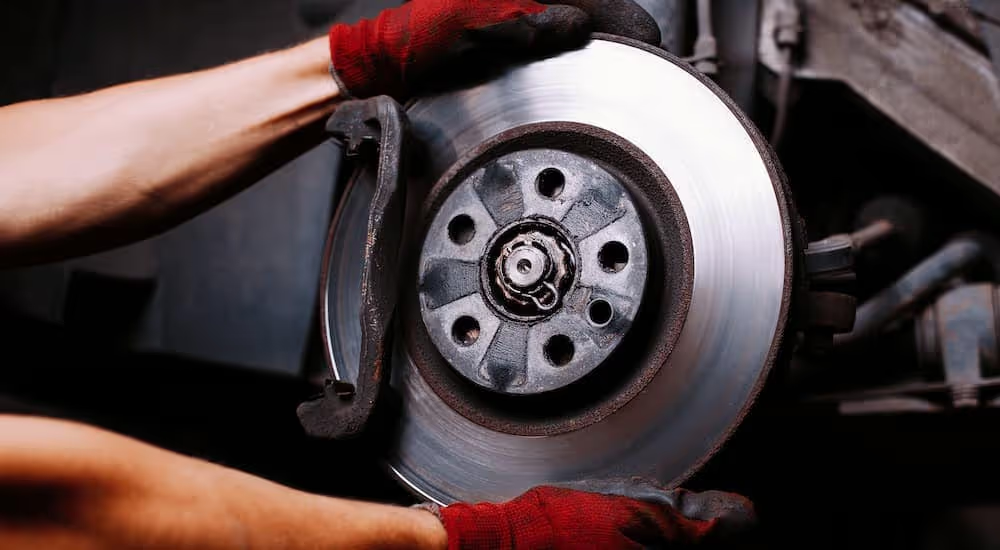
A brake service assessment starts with a visual inspection of pads, rotors, calipers, and brake lines. Pad thickness is measured; rotor surface condition and minimum thickness are assessed. Caliper function is checked for sticking or uneven clamping. Brake fluid condition and level are also reviewed, as deteriorated fluid can affect hydraulic performance.

Brake system services include:
  • Brake pad replacement (front and/or rear)
  • Rotor resurfacing or replacement
  • Caliper inspection and service
  • Brake line and hose inspection
  • Brake fluid inspection and replacement
  • Parking brake adjustment
Signs your brakes may need attention:

Squealing or grinding during braking, a pulsating pedal, the vehicle pulling to one side when stopping, a soft or spongy pedal feel, and a longer stopping distance than usual are all worth getting checked. Some brake wear happens silently, which is why routine inspections are useful even without obvious symptoms.

Schedule a Brake Inspection
Oil change service

Oil Changes & Lubrication

Engine oil plays several roles simultaneously: it lubricates moving metal parts to reduce friction, carries heat away from critical engine areas, and suspends contaminants — combustion byproducts, metal particles, moisture — so they can be captured by the oil filter. Over time, the oil's additive package breaks down and it becomes less effective at all three jobs.

Oil change intervals vary by vehicle, driving conditions, and oil type. Vehicles using conventional oil typically require more frequent changes than those using full synthetic. Short-trip driving, dusty environments, and towing all accelerate oil degradation. Your owner's manual specifies the manufacturer's recommended interval for your vehicle.

Conventional Oil

Typically changed every 5,000 – 7,500 km, suitable for older engines and straightforward driving conditions.

Full Synthetic

Intervals often extend to 8,000 – 12,000 km. Better cold-weather performance and improved high-temperature stability.

Each oil change includes a new oil filter, which traps particles circulating through the system. A visual inspection of key fluid levels and a visual walk-around are also included at no additional charge.

Book an Oil Change
Vehicle electrical diagnostic

Battery & Electrical System Repair

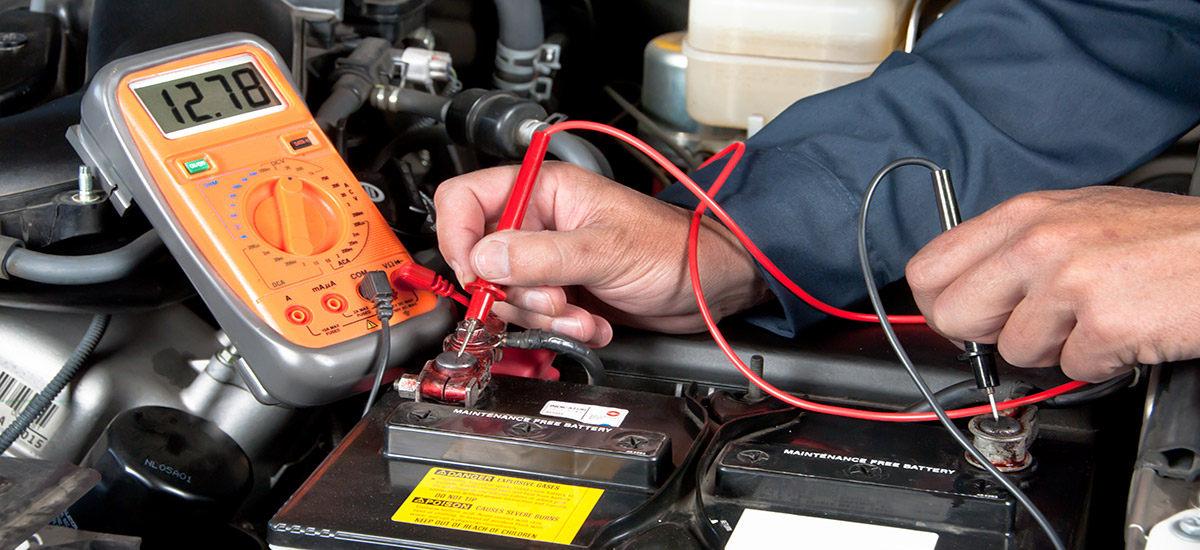
Vehicle electrical systems have grown considerably more complex over the past two decades. Beyond the battery, alternator, and starter, modern vehicles rely on dozens of sensors, control modules, and data networks that all need to communicate correctly for the vehicle to function as intended.

Electrical faults can present in many ways — from a simple dead battery to intermittent gremlins that don't follow a predictable pattern. Methodical diagnosis, using wiring diagrams and test equipment, is generally more reliable than guesswork or part replacement without testing first.

Electrical services include:
  • Battery testing (load test and health assessment)
  • Alternator output testing and replacement
  • Starter motor diagnosis
  • Wiring harness inspection and repair
  • Lighting system repair (headlights, tail lights, interior)
  • Fuse and relay diagnosis
Common electrical symptoms:

Difficulty starting, a battery that drains overnight, flickering lights, electrical accessories that stop working, or warning lights related to charging or battery systems are all worth investigating. Cold Saskatchewan winters are particularly hard on batteries, making pre-winter testing a practical preventive step.

Book Electrical Diagnosis

Have a Question About a Specific Service?

Our service advisors are happy to explain what a service involves, what to expect during the appointment, and what your vehicle's findings mean in practical terms.